
Airbags
Airbags are supplemental restraints. They reduce the chance that an occupant's head or upper body will strike a hard part of the cabin, but they deliver their best protection only when the occupant is correctly seated and wearing a seat belt.
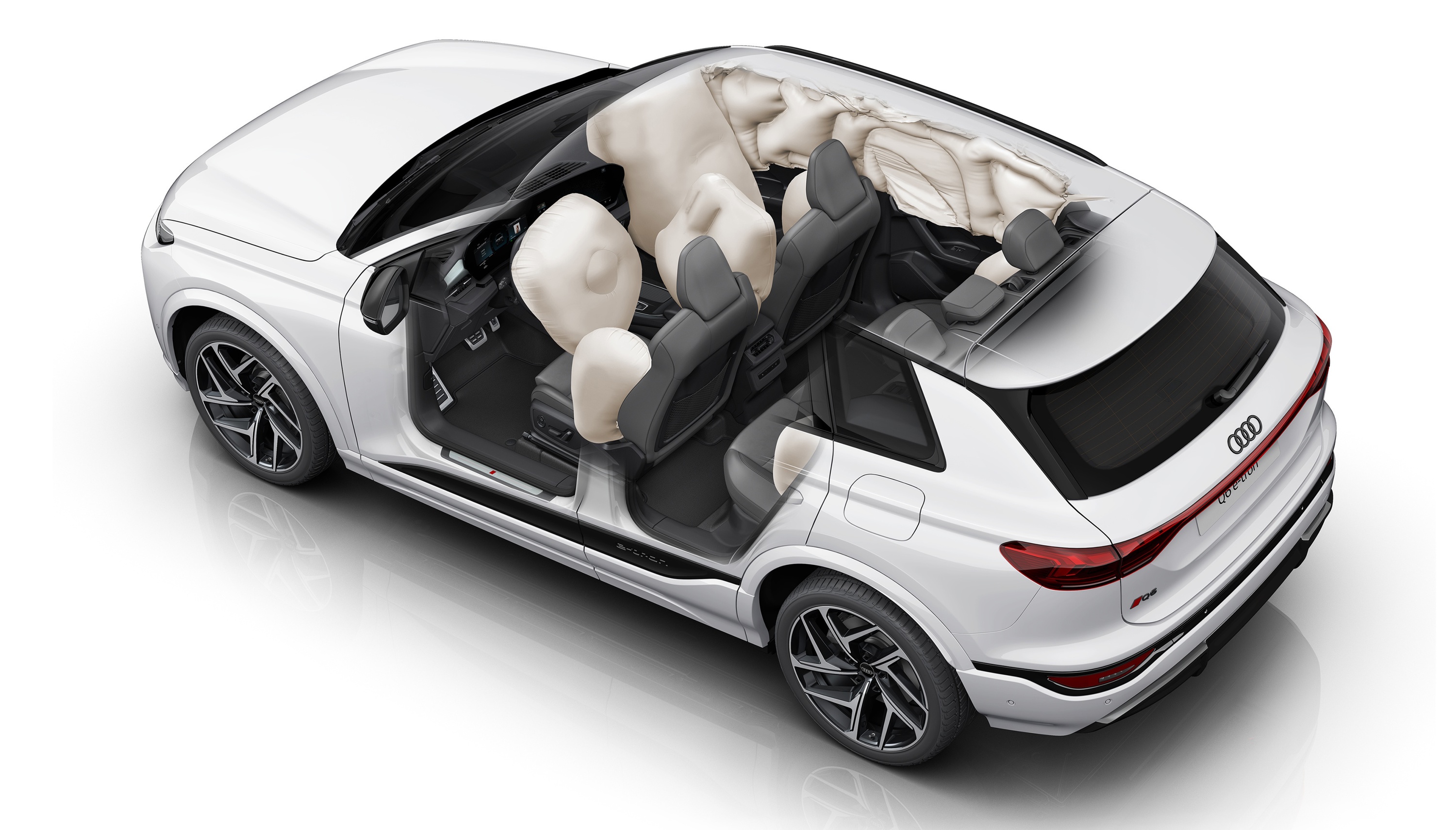
How an airbag system works
An airbag system combines crash sensors, an electronic control unit, inflators, fabric cushions, wiring, and a backup energy supply. The control unit evaluates the direction and severity of a developing crash together with information such as belt use and seat occupancy. If the programmed deployment conditions are met, it triggers the appropriate inflator.
The cushion must fill in tens of milliseconds, support the occupant as they move into it, and then vent in a controlled way. Side airbags generally have even less time to deploy than frontal airbags because there is little space between the occupant and an intruding door, another vehicle, or a pole.
An airbag not deploying is not by itself evidence of a fault. Different cushions are designed for different impact directions and severities, and a belt may provide sufficient protection in a less severe crash. The warning lamp, stored diagnostic data, physical damage, and the vehicle manufacturer's deployment logic all matter when a crash is investigated.
Airbag types and coverage
The name describes the intended protection zone, not a universal design. Location and coverage vary by vehicle and seating position.
Frontal airbags
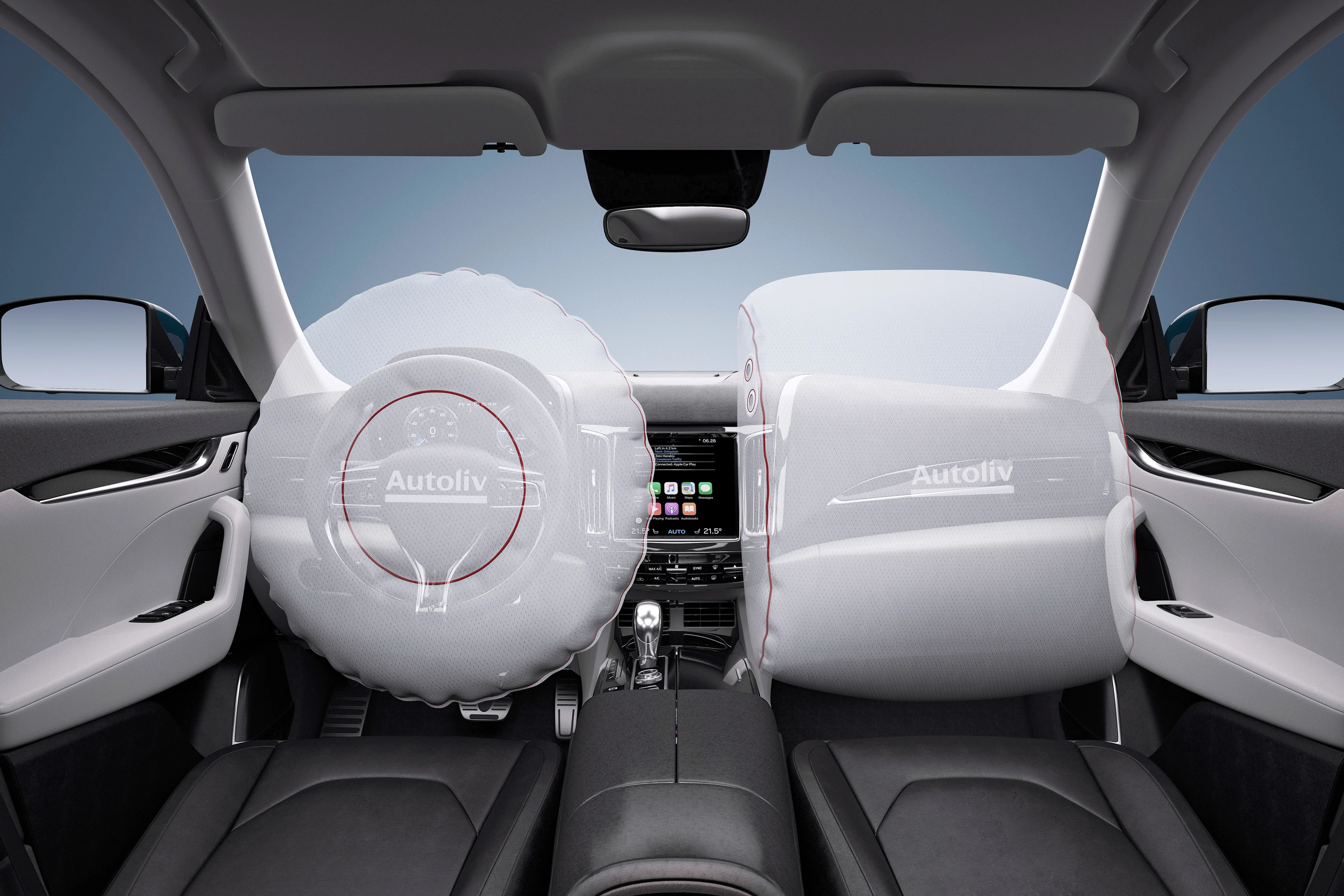
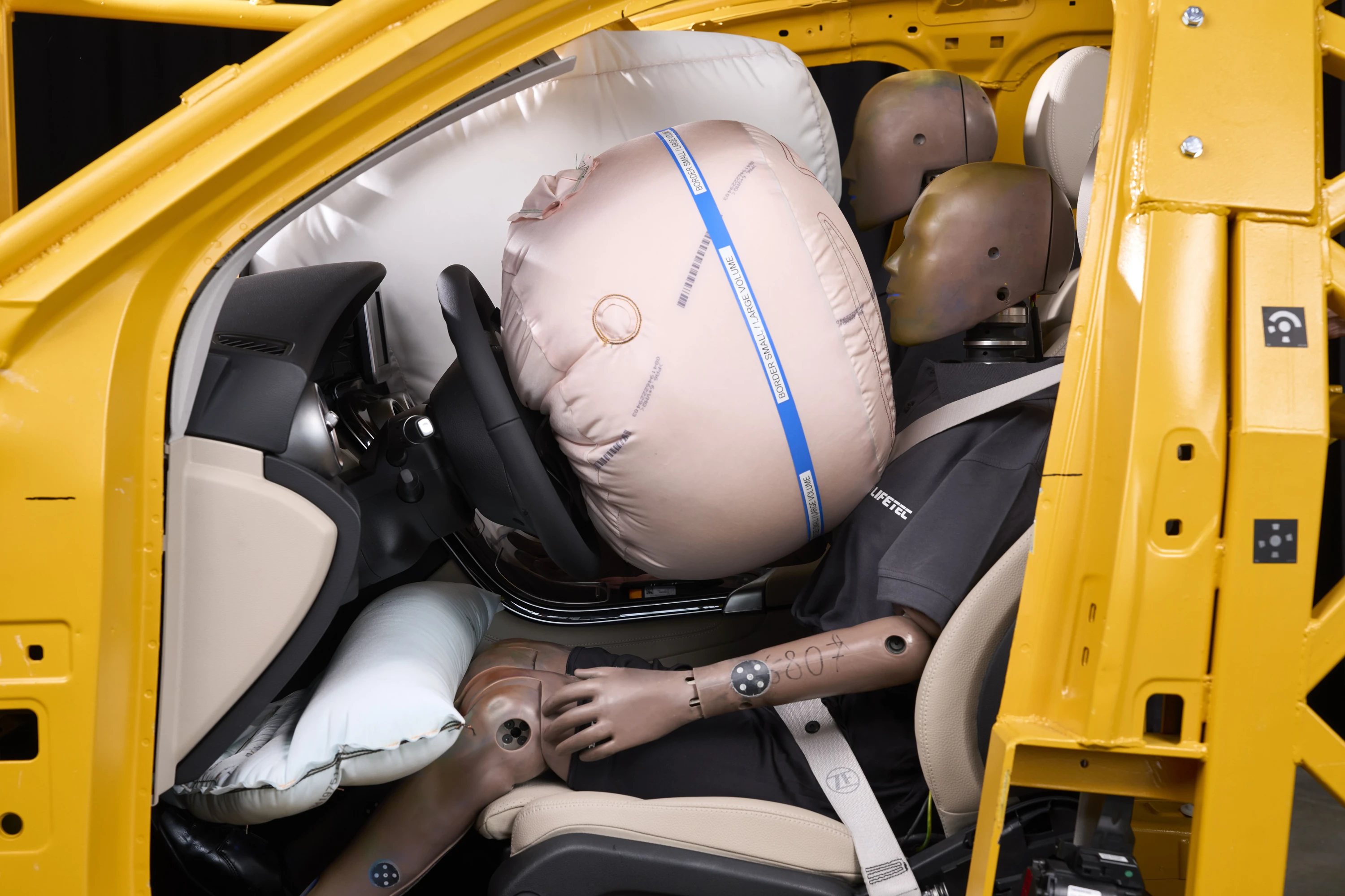
Driver and front-passenger airbags cushion the head and chest in a qualifying frontal crash. Advanced systems may vary deployment or suppress the passenger airbag based on crash severity, belt use, seat position, and occupant classification.
Side torso and pelvis airbags
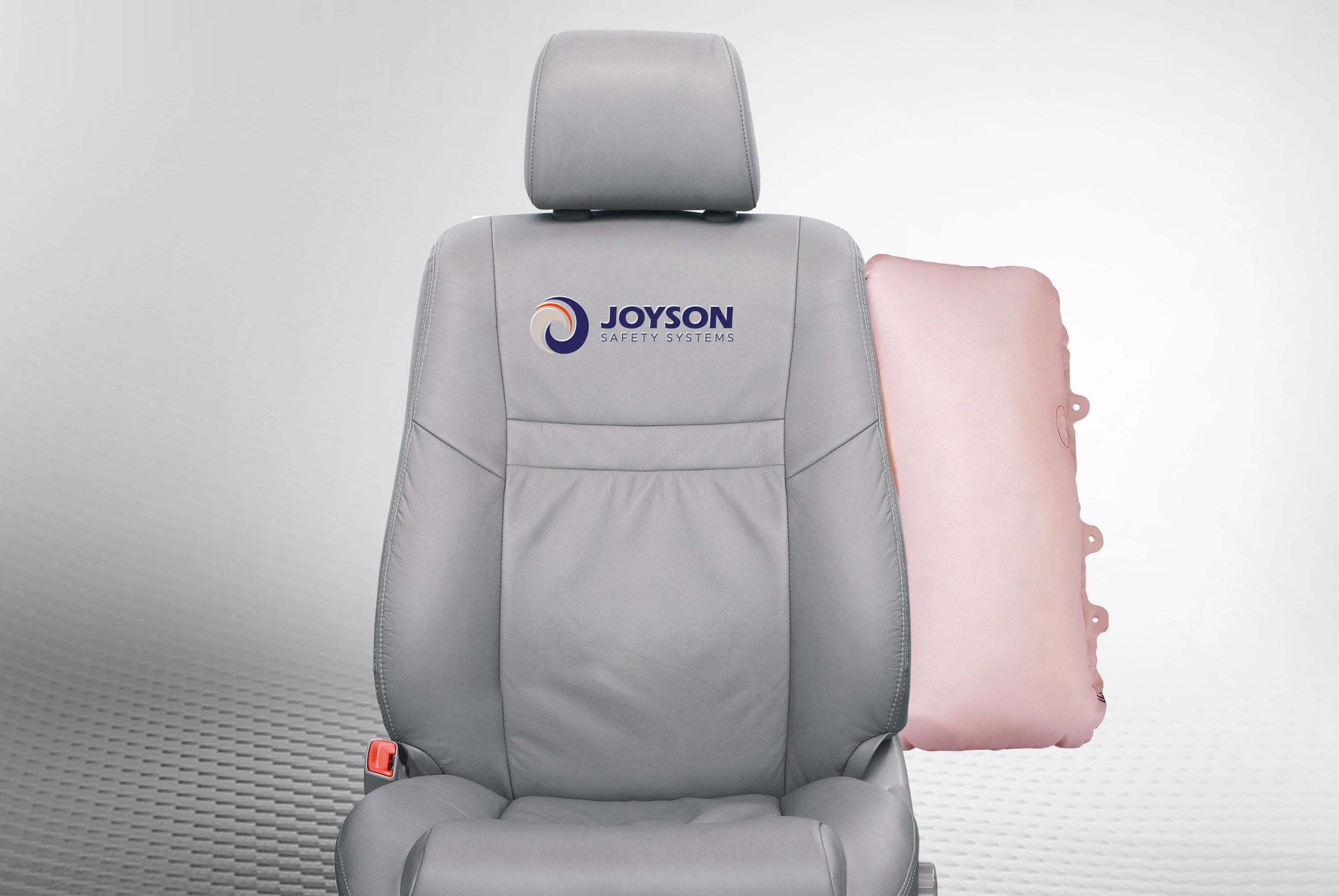
Seat- or door-mounted side airbags protect the torso and, in some designs, the pelvis. Seat mounting helps keep the cushion aligned with the occupant when the seat is moved.
Curtain airbags
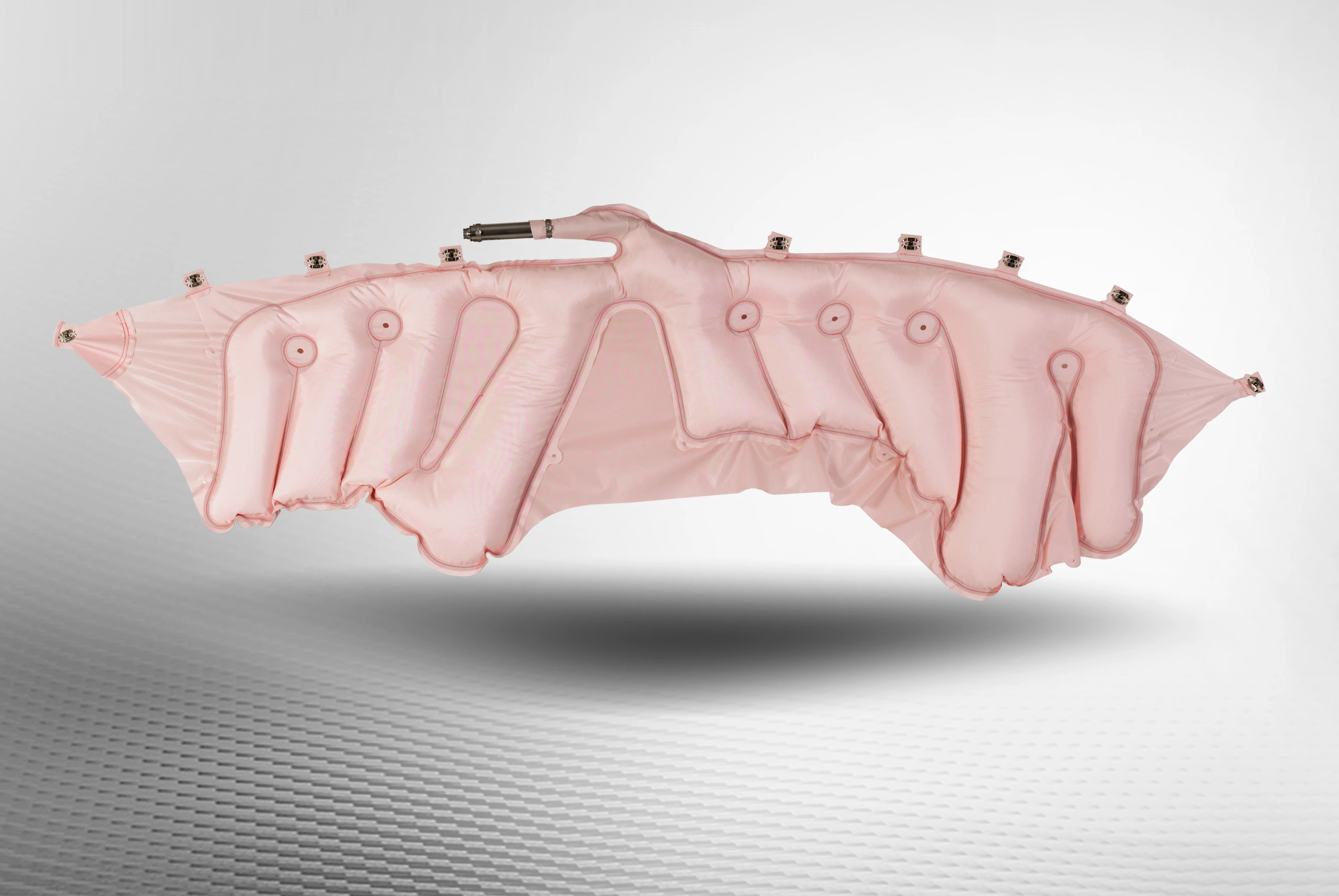
Curtain airbags deploy from the roof rail to cover the side glazing area. They protect the head in side impacts and may remain inflated longer to help reduce contact and ejection risk during a rollover.
Knee airbags
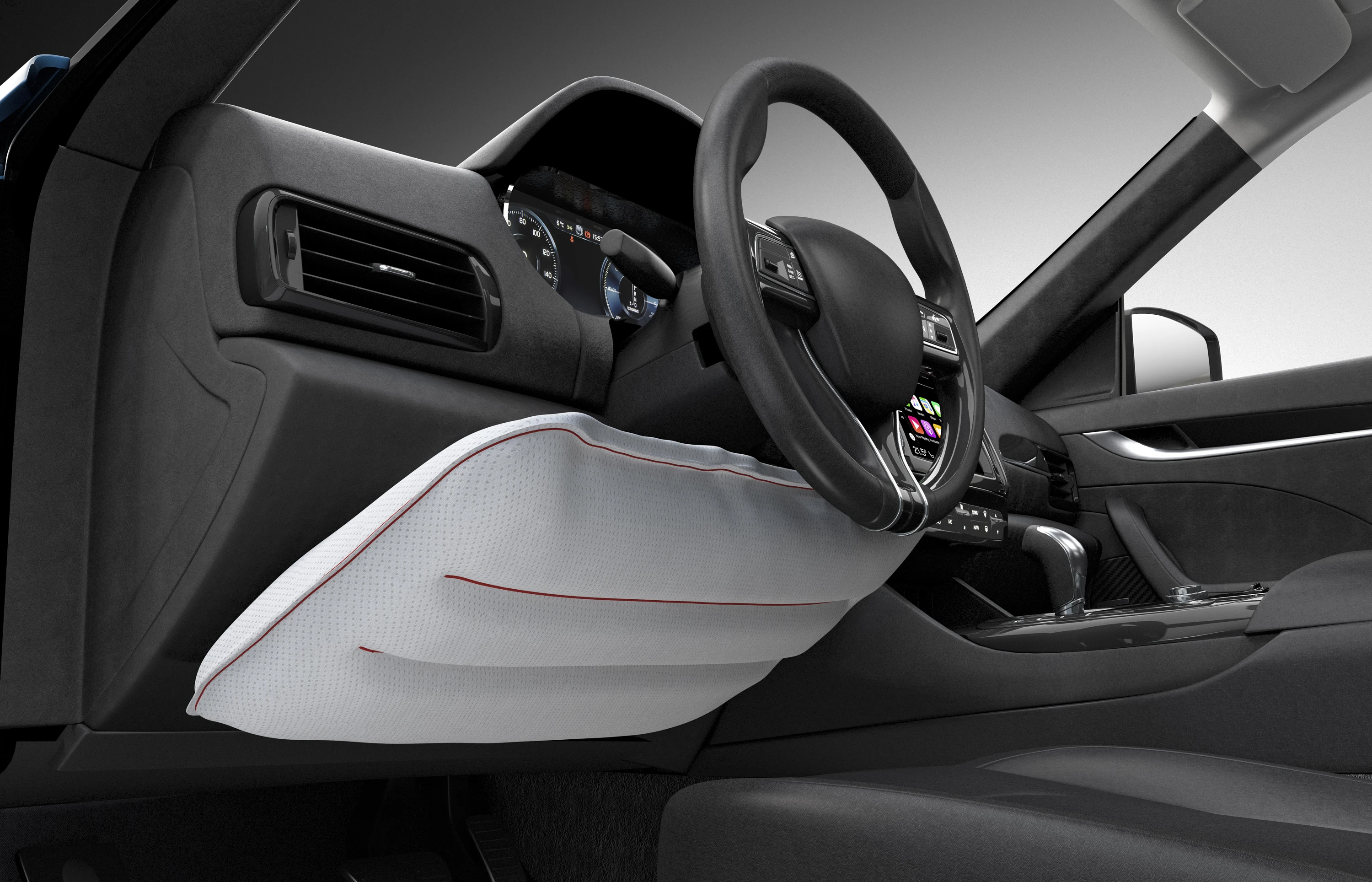
A knee airbag can control movement of the lower body and help keep the occupant in a position where the lap belt and frontal airbag work as intended. Its value depends on the complete restraint calibration; a higher airbag count is not automatically a better system.
Centre and far-side protection
In a side impact away from the occupant's seating position, the occupant can move toward the centre of the car or collide with another occupant. A centre airbag, seat-mounted far-side airbag, or another countermeasure can limit that movement. Independent testing increasingly evaluates far-side occupant excursion and occupant-to-occupant contact.
One coordinated restraint system
Airbags, seat belts, seats, head restraints, and the vehicle structure are calibrated as one system. Pretensioners remove belt slack, load limiters manage chest force, the seat supports the body, and the airbag cushions the remaining movement. Severe cabin intrusion or poor occupant position can leave an airbag without enough space to work.
Adaptive frontal systems can use occupant classification and crash data to adjust their response. This improves the available protection range, but it also makes correct seating important. Sitting very close to an airbag cover, placing feet on the dashboard, or reclining excessively changes the geometry the restraint system was designed around.
What is different in an EV
The cushions themselves are not uniquely electric-vehicle technology. The EV-specific connection is the wider crash-response system. A qualifying crash signal may command the high-voltage contactors or a pyrotechnic disconnect to open, while the low-voltage system keeps functions such as hazard lights, emergency calling, and door release available where the design permits.
Electrical isolation does not prove that a damaged battery is harmless. Pack intrusion, coolant or electrolyte leakage, and delayed cell heating are separate concerns covered in battery safety and assessed through regulation and crash testing.
What owners should check
- Wear the seat belt and sit upright with the seat adjusted according to the owner's manual.
- Never place a rear-facing child restraint in front of an active frontal airbag.
- Check that the passenger-airbag status indicator behaves as the manual describes.
- Treat an airbag or SRS warning lamp as a safety fault that needs diagnosis.
- Check recalls by vehicle identification number, especially when buying a used vehicle.
- Replace deployed airbags and associated restraint components using approved repair procedures. An airbag is a single-use device.
The Crash testing and safety ratings explains how assessors judge dummy injury measures, occupant movement, structural intrusion, and airbag coverage together. That evidence is more informative than a brochure's airbag count.