
EV Interior Design: Space, Comfort, Materials and Safety
An electric powertrain changes the packaging problem, but it does not automatically create a spacious or practical cabin; the result depends on the platform, battery thickness, body shape, seating position, crash structure and thousands of smaller decisions about controls, materials and storage.
This guide explains what is genuinely different about an EV interior, which claims deserve scrutiny and what to check before choosing a car.
How an EV platform changes the cabin
A combustion car must package an engine, transmission, fuel system and exhaust. A battery-electric car replaces those parts with a traction battery, electric drive unit, power electronics, charging hardware and high-voltage cooling system. The new components take up space in different places.
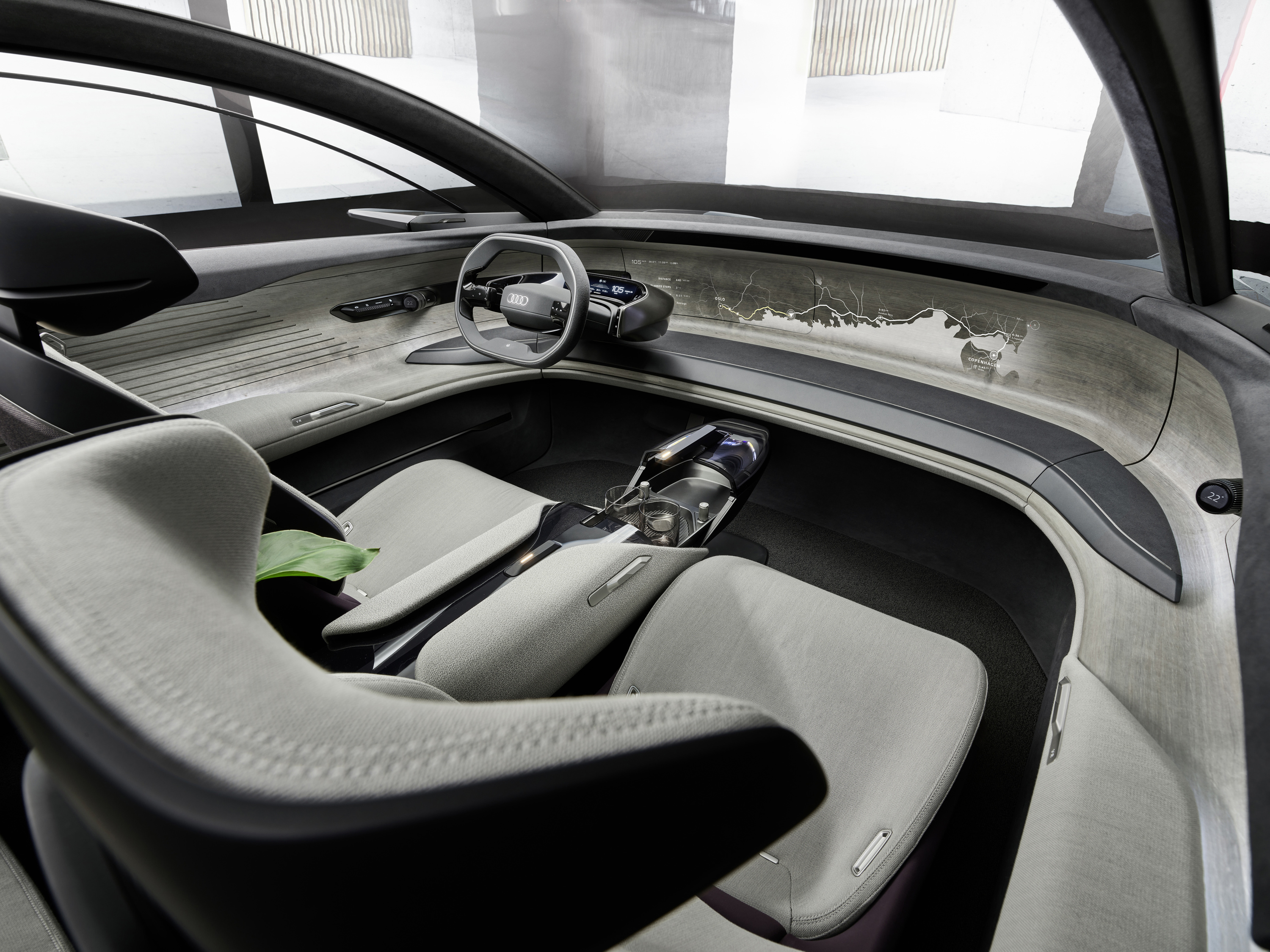
On a dedicated EV platform, the battery usually sits between the axles and the drive units are compact. This can support a long wheelbase, short overhangs and a floor without a large transmission tunnel. Hyundai's E-GMP is a clear production example: the company describes a battery beneath the floor, a slim cockpit module and a long wheelbase intended to release cabin space. Hyundai Motor Group: dedicated E-GMP platform
The trade-off is the battery itself. A thick underfloor pack can raise the cabin floor, the seat mounting points or the whole body. Rear passengers may gain a flat floor yet sit with their knees higher than expected. Side sills can become wide, and the front footwells, third row or cargo floor may still be shaped around the pack, cooling lines and crash structure.
The useful rule is simple: an EV can package space more efficiently, but the badge, drivetrain and wheelbase do not prove that it does.
Measure usable space, not the promise
Interior dimensions are connected. Lowering the roof can improve aerodynamics, but it reduces headroom unless the occupants sit lower. Raising the floor can make entry easier, but it may compromise rear-seat posture. A long wheelbase can improve legroom, yet a thick front seat, fixed centre console or bulky door trim can consume the gain.
Judge the cabin from each seat you expect to use:
- Set the driver's seat, steering wheel and mirrors first, then sit directly behind it.
- Check headroom with the seat back at a realistic angle, not fully reclined.
- Put your feet beneath the front seat. A flat floor is less useful if there is no toe room.
- Check thigh support. A high floor and low cushion can leave adult passengers sitting knees-up.
- Test the middle rear seat for cushion shape, headroom and foot space, not just the absence of a tunnel.
- Open every door fully enough to judge access, sill width and the space needed in a real parking bay.
- If the car has a third row, enter it without moving the front seats into an unrealistic position.
Seat comfort, adjustment, child-seat access and upholstery are covered in the seat guide. Luggage volume and loading geometry belong in the interior cargo guide. Those are separate questions from passenger space.
Comfort is more than soft trim
A good interior supports the body, controls heat and glare, remains quiet enough for conversation and does not make routine tasks tiring. EVs introduce several specific considerations.
With no combustion engine masking other sounds, tyre roar, wind noise, suspension impacts, pumps and cabin rattles can become more noticeable. Acoustic glass and insulation may help, but they add cost and mass. Test the exact wheel and tyre specification you intend to buy because large wheels and performance tyres can change both noise and ride comfort.
Cabin heating and cooling draw energy from the traction battery. US national-laboratory research covers measures such as advanced glazing, insulation, zonal climate control, heated or ventilated seats and preconditioning while plugged in. National Laboratory of the Rockies: light-duty vehicle thermal management
That makes the interior part of the energy system. Check whether the car provides:
- effective preconditioning from the app and from a departure schedule;
- separate temperature or airflow control for occupied zones;
- heated seats and steering wheel for cold conditions;
- adequate rear ventilation;
- a roof blind or glazing that controls solar heat and glare;
- demisting controls that are quick to find and operate.
A panoramic glass roof can make a cabin feel open, but its tint, infrared performance and blind design matter more than its area. Evaluate it in bright sun as well as in a showroom.
Controls and connectivity must reduce work
Large displays, voice assistants and over-the-air software updates are not unique to EVs. They arrived early in many electric models because manufacturers launched new electronic architectures at the same time. Their presence says little about whether a cockpit is easy to use.
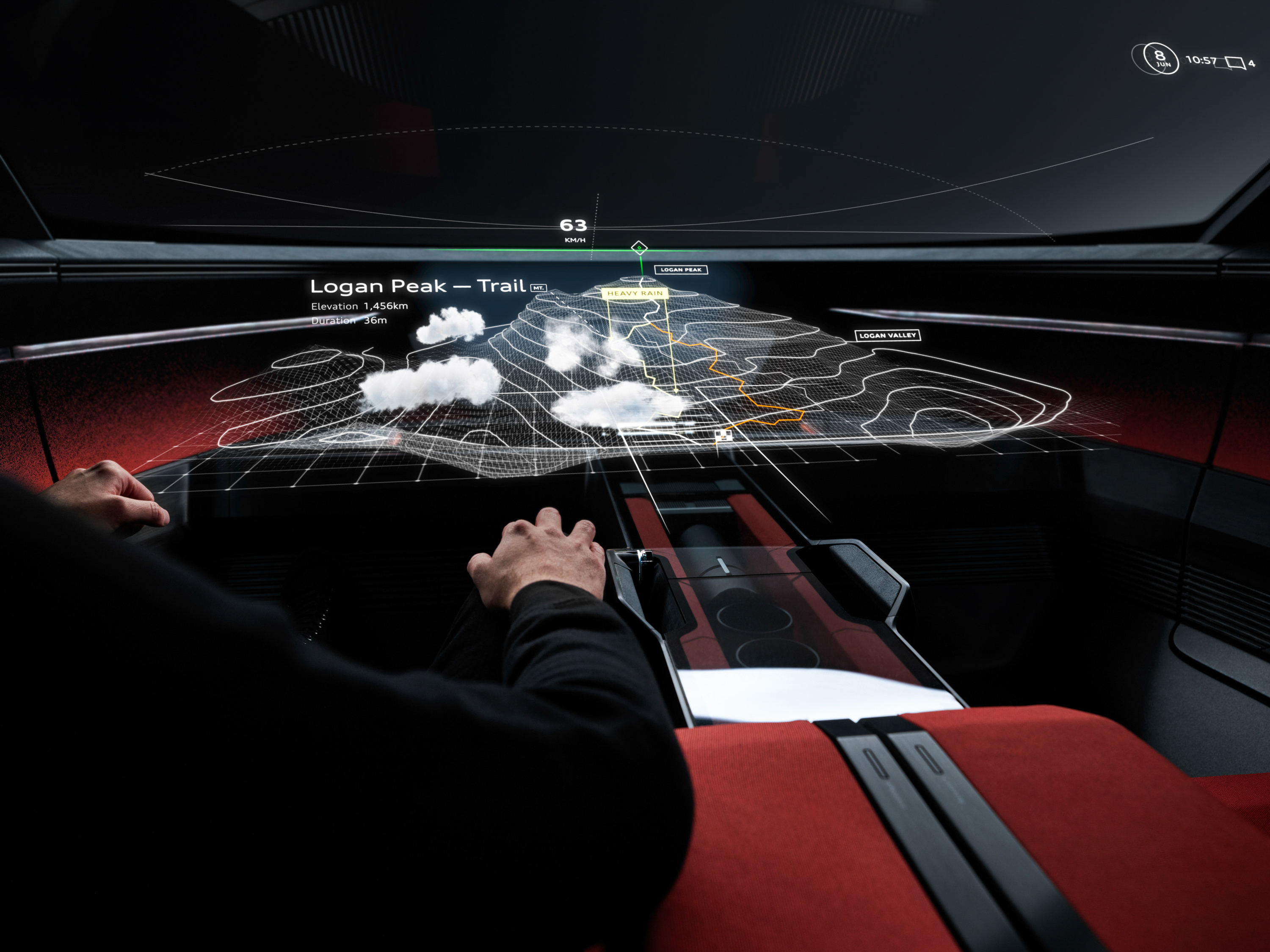
The best interface keeps essential driving information visible, gives frequent and time-critical actions a stable location and provides clear feedback. A screen can be excellent for maps, cameras and flexible settings. It is a poor substitute when a common action is hidden behind changing menus, the system responds slowly or glare makes the control hard to see.
Euro NCAP's 2026 programme now assesses the placement, clarity and ease of use of essential controls. Its test procedure distinguishes direct physical, direct voice, always-accessible touch and menu-based touch inputs; an input buried more than two touch steps deep is never accepted for the defined functions. Euro NCAP: General Vehicle Controls Test Procedure v1.1
The cockpit design guide examines display placement, physical controls, steering-wheel interfaces and centre consoles. The wider user-interface guide covers screens, head-up displays, voice control, buttons, stalks and EV information design in detail.
Materials: separate the claim from the material
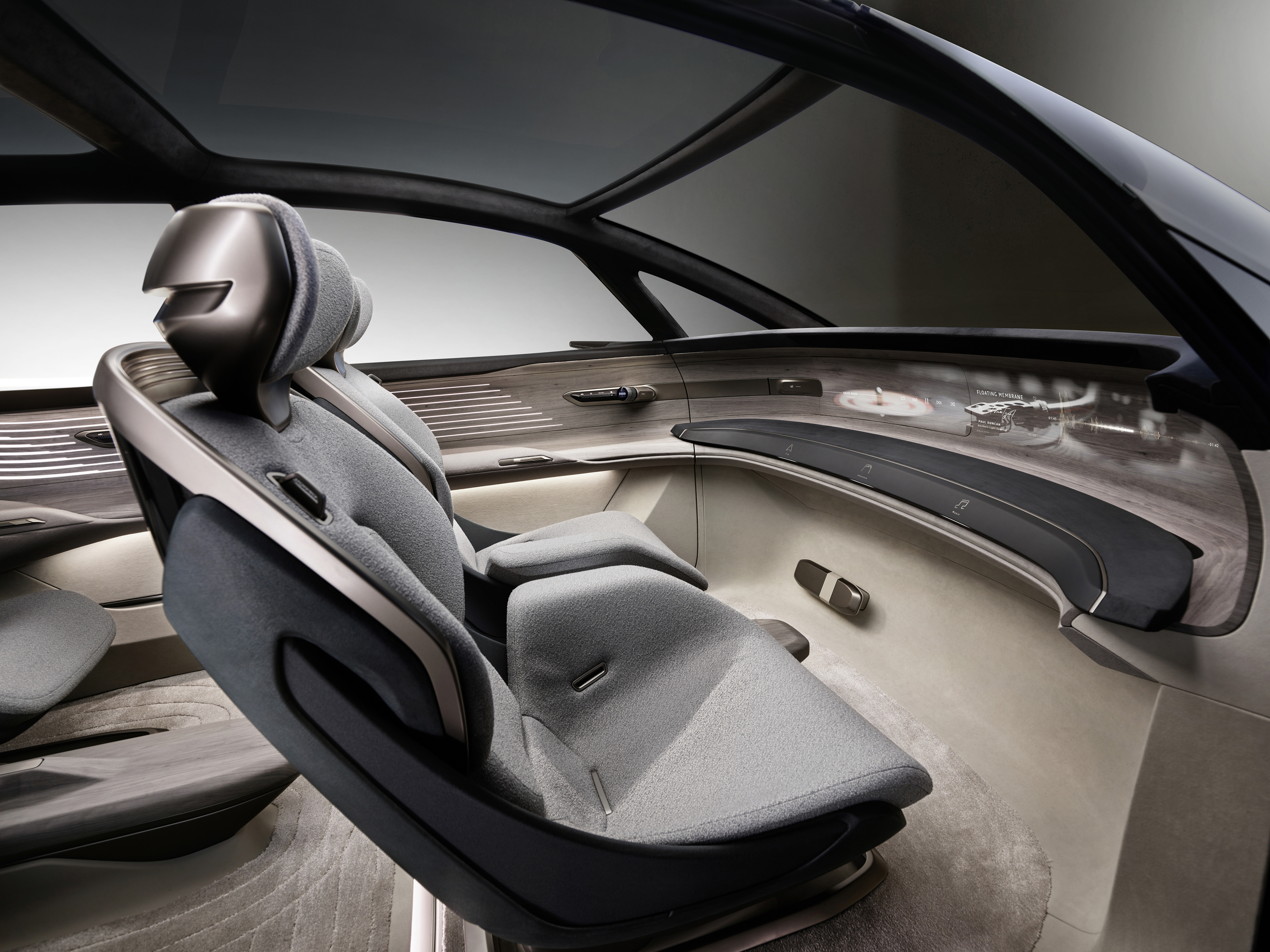
Interior material language is often imprecise. “Vegan”, “animal-free”, “bio-based”, “recycled” and “recyclable” describe different properties:
- An animal-free upholstery may still be largely petroleum-based.
- A bio-based feedstock is not automatically biodegradable or easy to recycle.
- Recycled content says how much secondary material went into a part; it does not guarantee that the finished part can be recycled again.
- A technically recyclable part may never be recycled if coatings, adhesives, mixed materials or dismantling costs make recovery impractical.
Durability also matters. A material that wears out early, is difficult to repair or requires replacement of a complete trim assembly can undermine a low-impact claim. Ask for the composition, percentage of recycled content and care requirements rather than relying on a branded material name.
The EU adopted Regulation (EU) 2026/1738 on vehicle circularity in July 2026. For new vehicle types approved from September 2032, it requires at least 15% of vehicle plastic by weight to come from post-consumer plastic waste; the minimum rises to 25% for new vehicle types approved from September 2036. The regulation also sets future requirements for recyclability, material information and a Digital Circularity Vehicle Passport. Regulation (EU) 2026/1738 on vehicle circularity
These dates matter: the regulation creates a direction and future obligations, not proof that every current “sustainable interior” claim has been independently verified.
Air quality, heat and touch points
Interior air quality depends on material emissions, ventilation, filtration and pollutants entering from outside. UNECE's 2026 revision of Mutual Resolution No. 3 provides harmonised recommendations for measuring vehicle interior air quality, including emissions from interior materials and gases entering through the ventilation system. UNECE: Mutual Resolution No. 3 on vehicle interior air quality
When evaluating a car:
- notice strong odours after the vehicle has been closed in warm weather;
- check whether the ventilation system shows air-quality or filter status clearly;
- ask what the cabin filter removes and how often it must be replaced;
- test whether frequently touched surfaces become uncomfortably hot in sun or cold in winter;
- inspect light-coloured, glossy and soft-touch materials for likely wear, reflections and cleaning needs.
An elaborate ambient-lighting system cannot compensate for glare, reflections in the windscreen or controls that disappear in darkness.
Safety and accessibility
Interior design is part of the restraint system and the driver's field of view. Seats, head restraints, belts, airbags, steering wheel, dashboard surfaces and door trim must work together across different occupant sizes. A spacious-looking cabin is not necessarily easy to enter, see out of or escape from.
Check the basics before the novelty features:
- Can the driver obtain a comfortable pedal position while keeping a safe distance from the steering wheel?
- Does the steering-wheel adjustment leave the instrument display visible?
- Are the windscreen pillars, mirrors or display housings creating large blind areas?
- Can occupants identify the interior door release immediately, including a manual release for an electrically operated door?
- Are child-seat anchors reachable without trapping the belt or damaging the trim?
- Do driver-monitoring cameras work with glasses and varied seating positions without creating persistent false warnings?
- Can important alerts be understood by someone with reduced hearing, colour vision or dexterity?
EU vehicle-safety rules state that assistance warnings should be perceivable by every driver, including older people and people with disabilities. They also limit retention and external access to data processed by mandatory driver-attention systems. Regulation (EU) 2019/2144 on general vehicle safety
A ten-minute interior test
Do this with the car stationary before a supervised test drive:
- Set the seat, wheel, mirrors and climate without help.
- Find the hazard lights, demister, wipers, exterior lights and drive selector.
- Read speed, state of charge, predicted range and active driver-assistance status.
- Connect your phone, place it on the charging pad and verify that it remains secure.
- Put a real bottle in the door and cup holders.
- Sit behind your own driving position and check foot and thigh support.
- Fold and raise every seat you expect to use.
- Open the glove box and every storage compartment without looking up a menu.
- Inspect the floor, roof and screens in both bright and dark conditions if possible.
- Drive on coarse asphalt, over a speed hump and at motorway speed to assess noise, ride and control usability.
The best interior is not the one with the longest equipment list. It is the one that fits its occupants, makes important tasks predictable and continues to work well after the showroom effect has worn off.
Sources
- Hyundai Motor Group: dedicated E-GMP platform
- National Laboratory of the Rockies: light-duty vehicle thermal management
- Euro NCAP: General Vehicle Controls Test Procedure v1.1
- Regulation (EU) 2026/1738 on vehicle circularity
- UNECE: Mutual Resolution No. 3 on vehicle interior air quality
- Regulation (EU) 2019/2144 on general vehicle safety