
Headlights, daytime running lights and adaptive beams
Headlights are safety-critical optical systems whose quality is defined by useful visibility and controlled glare, not by source technology or maximum brightness. This chapter separates daytime running lights, low and high beams, automatic switching, curve adaptation, adaptive driving beams and high-resolution projection.
Every front-lighting function has a different job

A modern front lamp can combine several legally distinct functions in one housing:
- Front position lamps show the vehicle's presence and width at relatively low intensity.
- Daytime running lights, or DRLs, improve conspicuity in daylight.
- Low beam illuminates the road while limiting light toward oncoming and preceding traffic.
- High beam provides longer-range illumination when glare to others can be avoided.
- Direction indicators communicate an intended turn or lane change.
- Cornering lamps add light toward a junction or tight turn, often at low speed.
- Front fog lamps provide a low, wide beam for poor visibility where fitted and legally used.
- Welcome and identification lighting operates under restricted conditions and may share the same optical elements.
One LED strip can perform more than one function by changing intensity or color. For example, a white DRL may dim or switch off on the side where an amber indicator is flashing so the turn signal remains conspicuous. Shared hardware does not remove the separate photometric and switching requirements for each function.
Daytime running lights are for being seen
DRLs are bright enough to be conspicuous in daylight but are not designed to light the road. They can cause discomfort if used as the only forward lighting at night, and they do not replace low beam in rain, fog, snowfall, tunnels or darkness.
Rear-light behavior varies. Some vehicles illuminate only the front DRLs, while others also illuminate rear position lamps or automatically switch the complete lighting system according to ambient light. Canada addressed the risk of "phantom vehicles" with a rule for new vehicles from September 2021 that requires automatic tail lights with DRLs, automatic full lighting in darkness, or a dark dashboard that prompts the driver to turn the lights on.
Automatic mode does not relieve the driver of responsibility. A light sensor responds to ambient brightness; it may not understand daytime fog, spray or heavy rain. Wiper-linked logic also varies by vehicle and market. The instrument display can be illuminated even when rear lamps are dark, so the headlamp or position-lamp tell-tale is the reliable status indicator.
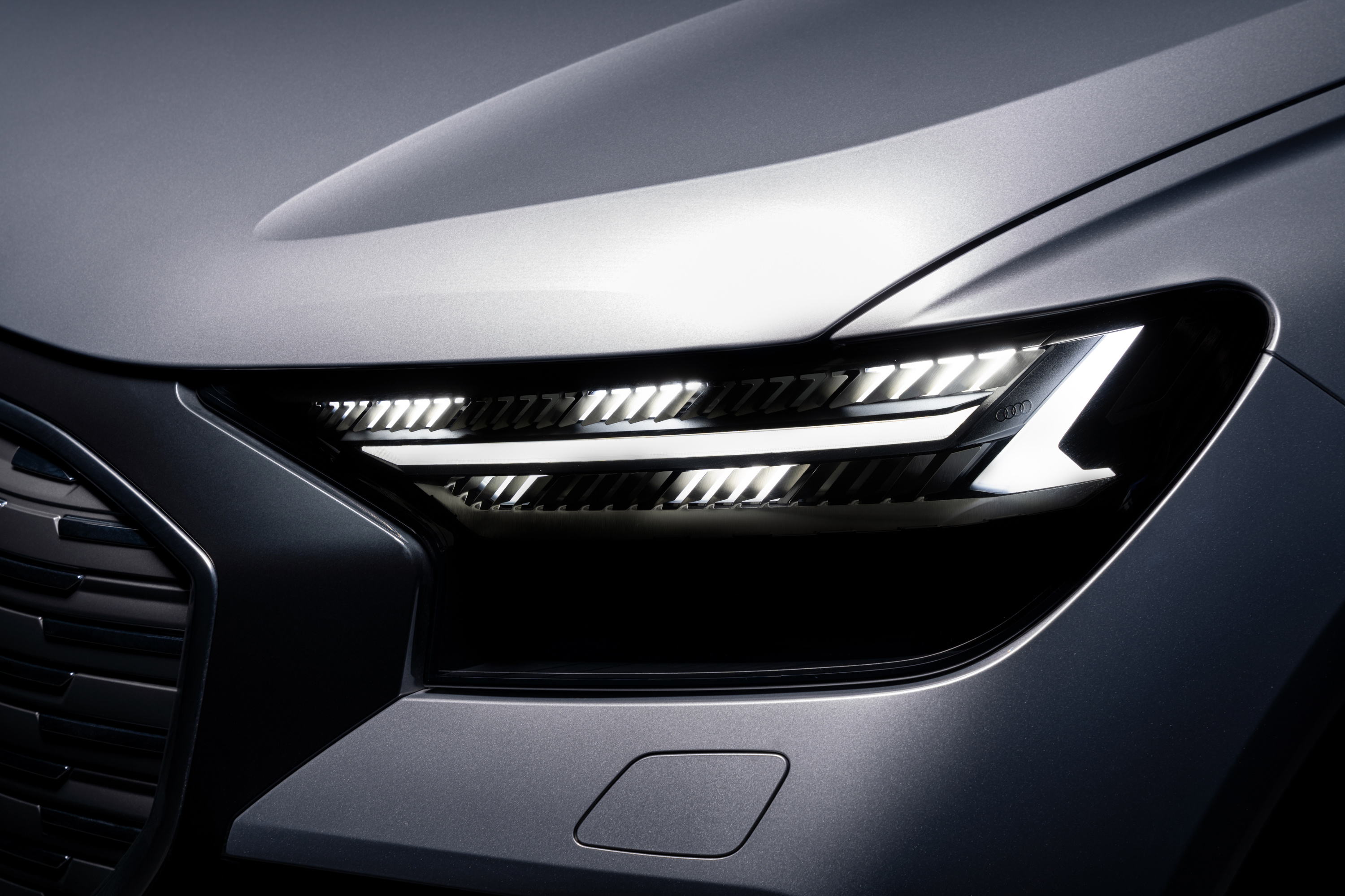
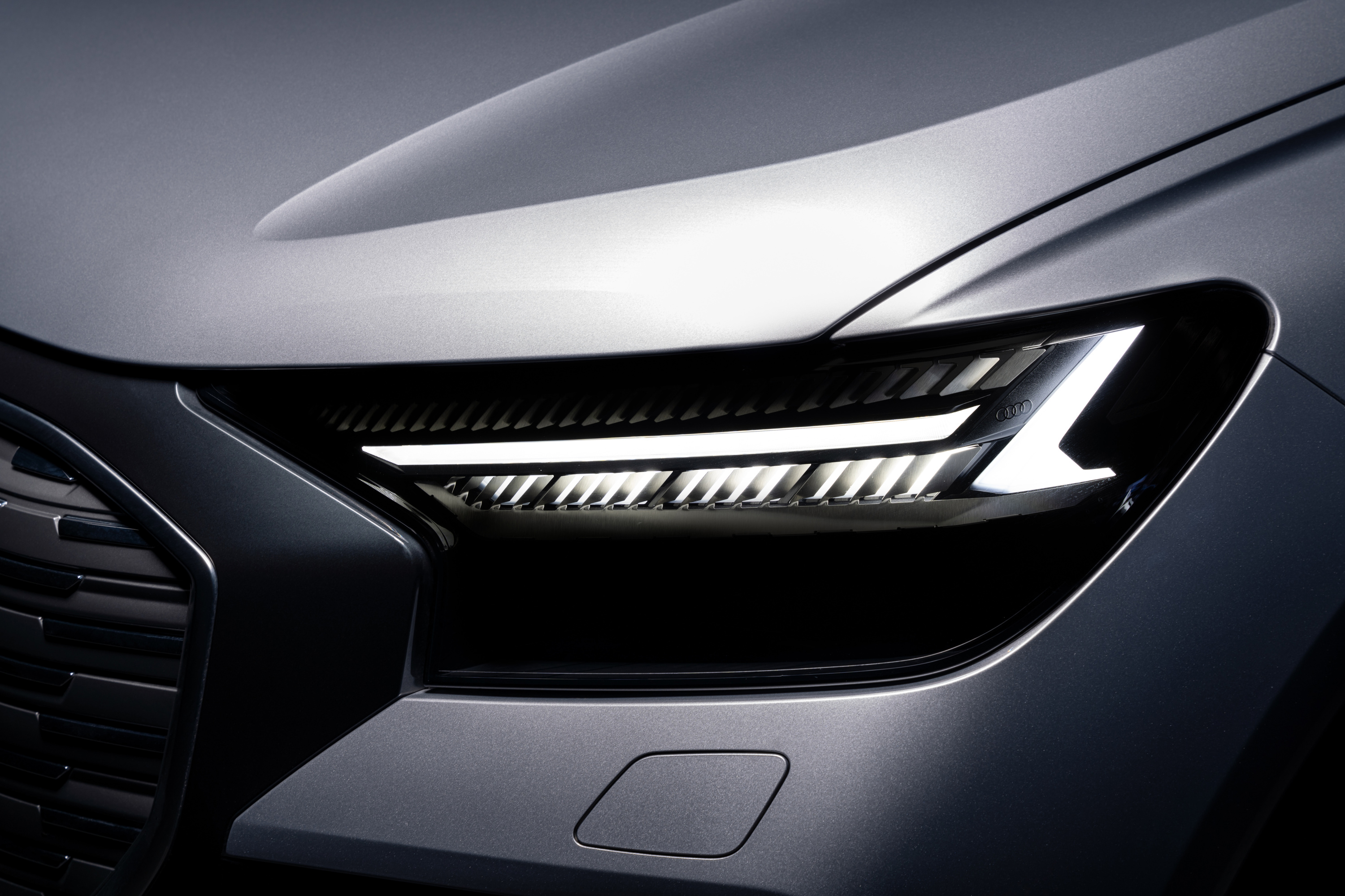
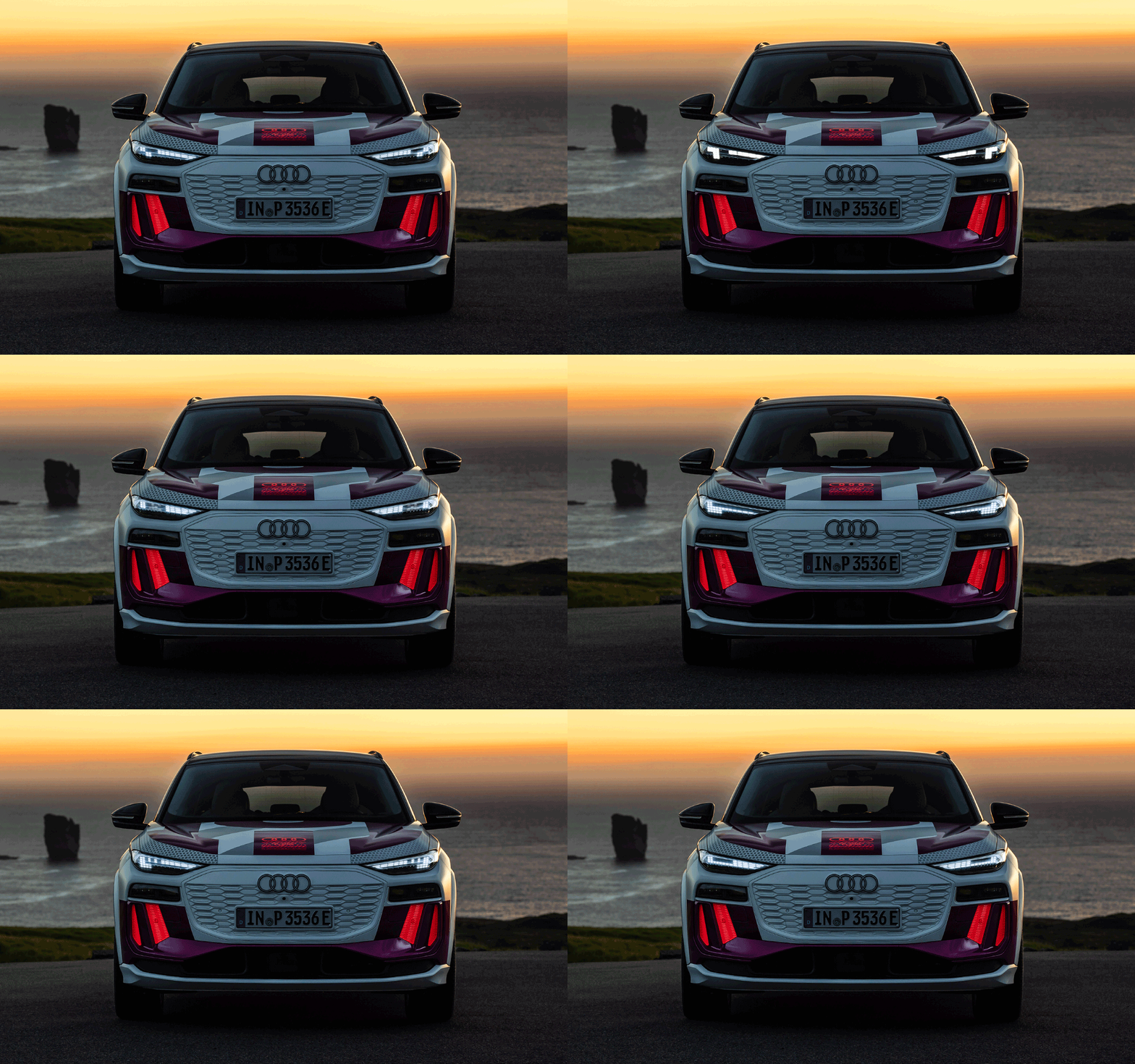
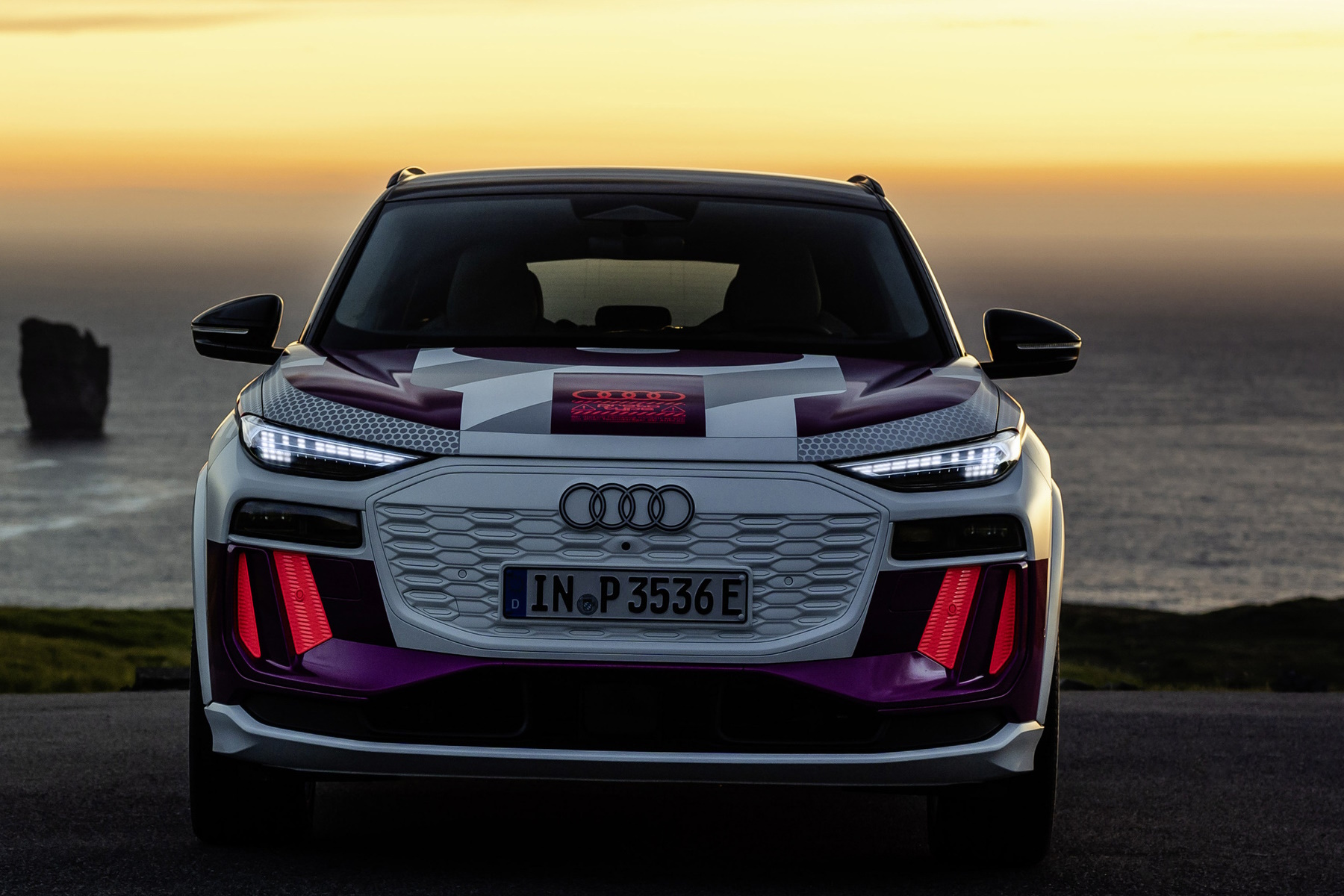
Customizable DRL signatures use segmented sources to offer several approved patterns. The patterns may be selectable only while parked, limited to particular trims, or unavailable in some markets.
Low beam, high beam and beam aim
Low beam is not merely a dimmer high beam. Its optics create a controlled distribution with a cutoff that limits upward light toward other road users while placing illumination on the lane, road edge and signs. The pattern can be asymmetric to provide additional reach on the passenger side; the orientation changes between left-traffic and right-traffic markets.
High beam removes much of that glare-control compromise and sends useful light farther ahead. It should be used whenever conditions and traffic allow, then dipped before it dazzles an oncoming driver or a driver ahead through mirrors.
Aim can matter as much as lamp technology. An upward error shortens the safe margin to glare; excessive downward aim removes seeing distance. Vehicle pitch changes with passengers, cargo, towing, acceleration, braking and road gradients. Manual levelling, automatic levelling or active suspension compensation can correct part of this, but only when sensors and calibration are accurate.
Foreground brightness is another trade-off. A bright pool immediately in front of the car can feel reassuring while causing the driver's eyes to adapt to that near field, making dim hazards farther away harder to detect. Engineers must balance width, reach, uniformity, sign illumination and glare rather than maximize one measurement.
Halogen, HID, LED and laser-assisted sources
Halogen bulbs use a heated filament and are usually replaceable. HID, often called xenon, creates an arc in a gas-discharge capsule and requires a ballast. LEDs are compact semiconductor sources driven by electronics. Each can use a reflector or projector optical design.
LEDs enable small modules, rapid electronic control and lower electrical power for a given useful output. They also need heat paths and current regulation; the semiconductor junction can run hot even when the beam contains little infrared heat. Output can be reduced at high temperature to protect the source.
An LED badge does not guarantee good performance. IIHS testing is technology-neutral and has found good and poor examples across source types. Beam design, aim and vehicle integration decide what reaches the road.
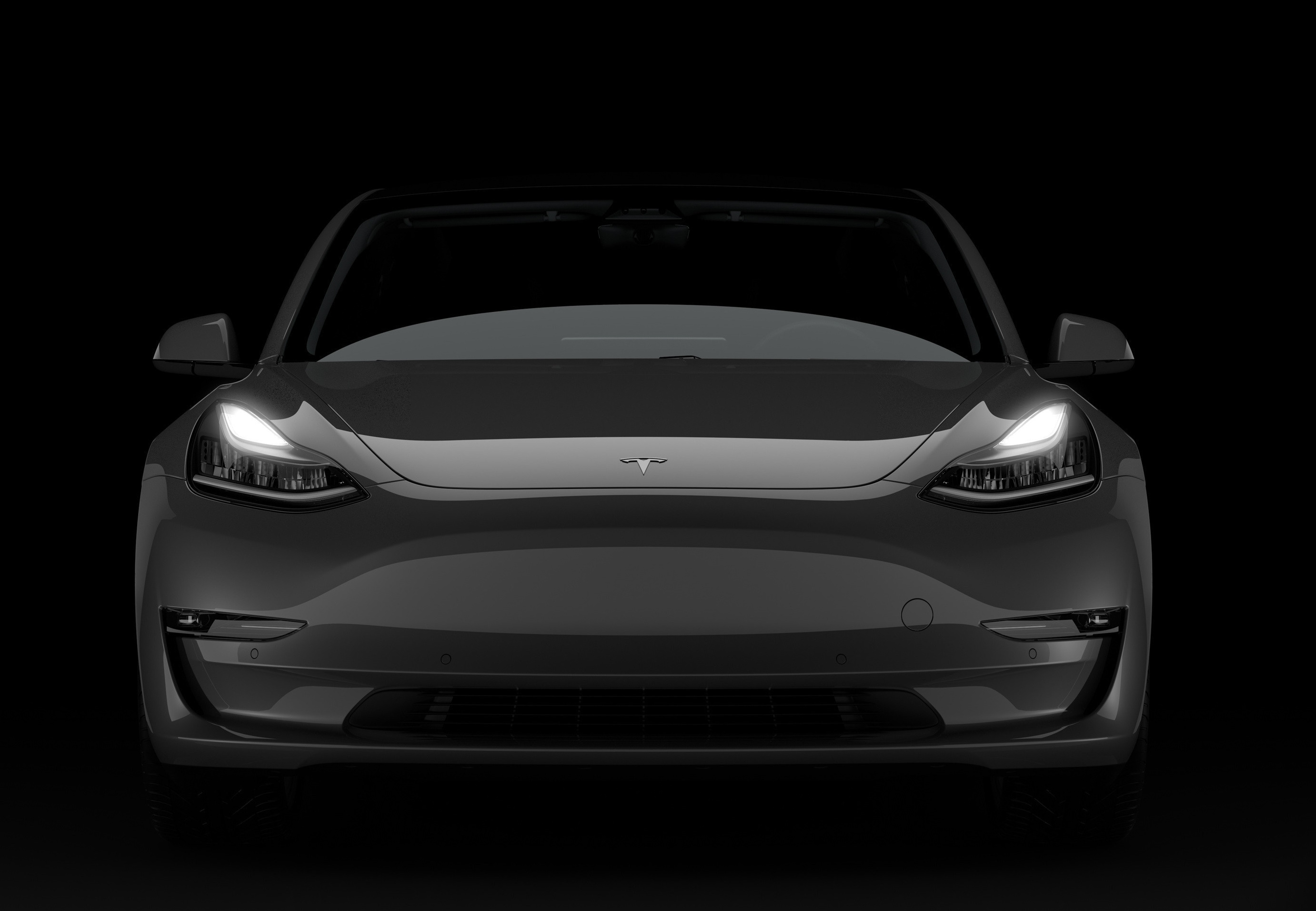
Laser-assisted production headlamps should not be described as sending a laser beam onto the road. In the BMW i8 implementation, blue laser diodes excited a phosphor inside the lamp; the converted broad-spectrum white light left the optical module. The function served as a compact, long-range high-beam booster alongside LED lighting. Laser-assisted systems remain a specialized architecture rather than a successor that displaced LED headlamps.
Five adaptive technologies that are often confused
Automatic high-beam assist switches between conventional low and high beam after a camera detects other traffic or sufficient ambient light. It is a binary choice and can react late or conservatively.
Curve-adaptive lighting changes the direction of the beam with steering angle, yaw, speed or mapped road geometry. A mechanical module may swivel, or an electronic array can redirect light without moving the housing.
Adaptive front-lighting systems can select different distributions for town, motorway, adverse weather or bends. This is a broader category than one specific matrix implementation.
Adaptive driving beam, or ADB, continuously modifies selected portions of a long-range beam. It creates reduced-intensity areas around detected road users while retaining more illumination elsewhere. That differs from switching the complete high beam off.
Matrix, pixel and digital projection systems describe ways to create the controlled pattern. A matrix lamp uses addressable LED segments. Higher-resolution systems can use micro-LED arrays, liquid-crystal elements or digital micromirror devices. Pixel count describes addressability inside the optical system; it does not by itself state road illuminance, optical sharpness or detection accuracy.

ADB performance depends on the complete perception-and-control loop. The camera must detect headlamps, tail lamps, motorcycles and partially obscured vehicles; the controller must predict their position; the lamp must change its pattern quickly; and levelling must keep that pattern in the correct vertical position. A dirty windshield, snow-covered sensor area, changed ride height or calibration fault can reduce performance or disable the function.
The United States amended FMVSS No. 108 in 2022 to allow ADB, using U.S.-specific laboratory and track requirements. UN-regulation markets use a different approval framework. Similar hardware can therefore deliver different behavior by region, and a feature shown in European media may be limited or absent on the North American version.
High-resolution projection
High-resolution headlamps can control the cutoff and reduced-intensity zones more finely than a coarse LED matrix. Mercedes-Benz Digital Light, for example, uses three LEDs and 1.3 million micromirrors in each headlamp module. The manufacturer describes functions such as construction guidance lines, pedestrian marking and warning symbols, subject to equipment and market approval.

Road projection is not unrestricted augmented reality. A symbol must be visible without masking lane markings, distracting other road users or being confused with an official signal. Allowed graphics, activation speeds and availability vary by jurisdiction. The infotainment display or head-up display remains the primary place for detailed navigation information.
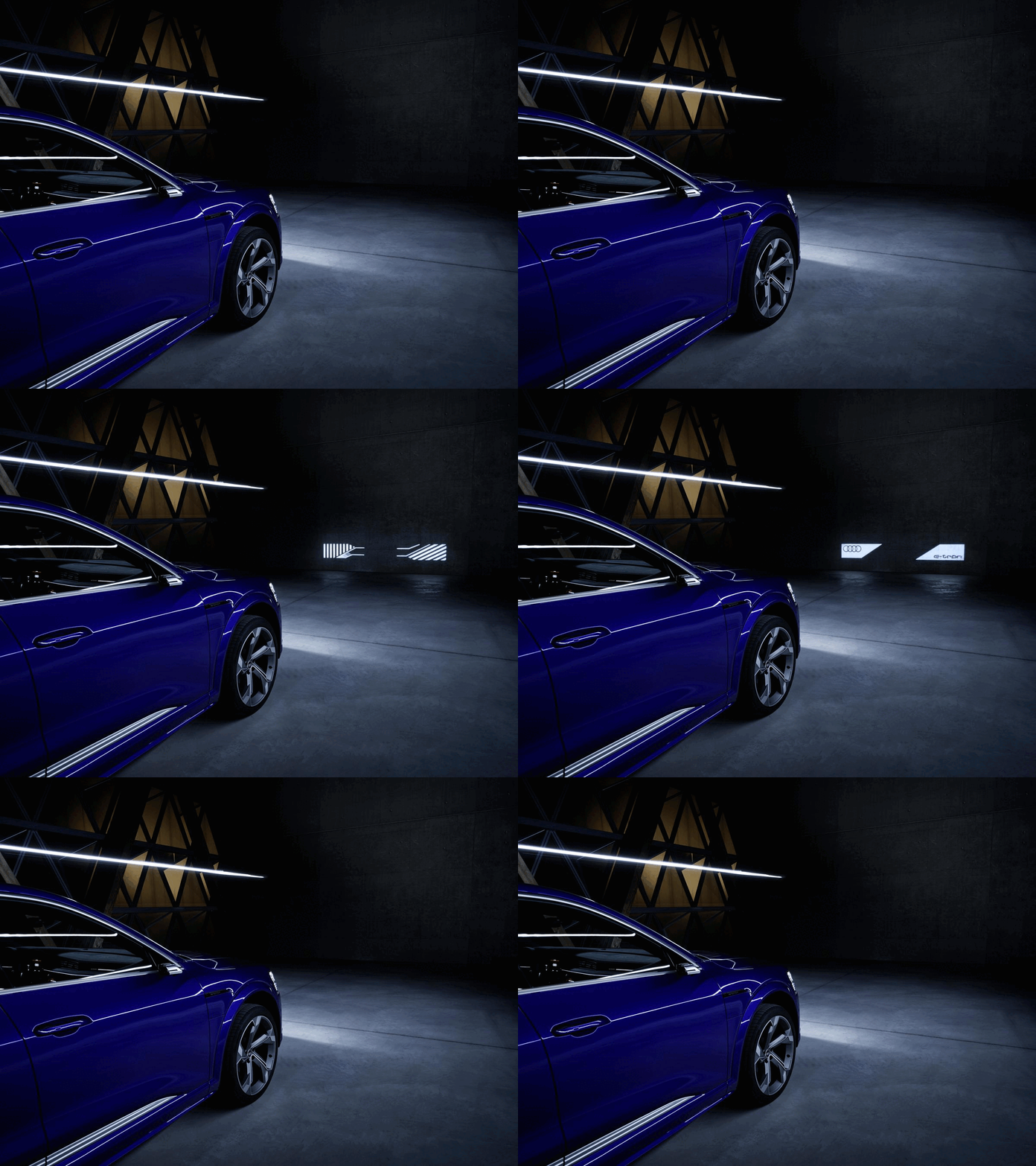
High-resolution lamps also support welcome and departure sequences while the vehicle is stationary. Those animations are a design function, separate from the safety performance of the moving beam.
Real-world performance and glare
Independent track testing shows wide variation between systems that all meet legal requirements. IIHS measures illumination on a straight road and four curves, for both low and high beams, and evaluates low-beam glare. For model-year 2026 vehicles, 46% of tested systems earned a good rating while about 17% were marginal or poor because of inadequate visibility, excessive glare or both.
IIHS reports that good-rated headlights were associated with 19% fewer nighttime single-vehicle crashes and 23% fewer nighttime pedestrian crashes than poor-rated headlights after controlling for several differences. The result supports a performance-based buying decision rather than loyalty to LED, matrix or laser branding.
Glare has several causes:
- incorrect vertical or horizontal aim;
- high mounting position combined with road crests or vehicle pitch;
- excessive intensity in the wrong angular zone;
- a failed or slow adaptive mask;
- dirt, ice, damage or condensation that scatters the beam;
- unapproved replacement sources that do not match the optics;
- wet roads and reflective signs that return more light toward eye level.
Color temperature alone does not decide glare. Cooler white light may be perceived differently, but intensity, source luminance, angular distribution, contrast and exposure determine the visual effect. A compliant lamp can still feel uncomfortable in a crest or height-mismatch situation, while a badly aimed warm lamp can produce severe glare.
Weather, cleaning and thermal limits
Fog, rain and snow scatter light. High beam often creates more backscatter in fog, reducing contrast. A front fog lamp, where fitted, uses a low and wide distribution, but it cannot create clear visibility through dense fog and should be switched off when conditions do not justify it.
LED headlamps send less heat through the lens than filament lamps, so snow or ice may clear more slowly from the outer surface. Some designs use airflow, coatings, washers or heating. The driver still needs to keep lenses and the camera area clean.
Temporary internal mist can occur as ventilated housings breathe through temperature and humidity changes. It should clear. Persistent droplets, standing water, corrosion or recurring faults indicate a problem rather than normal condensation.
Maintenance and replacement
Integrated LED lamps may require replacement of a module or the complete housing after an electronic or optical failure. A long LED source-life claim does not cover drivers, fans, connectors, seals, lenses, sensors or impact damage. Buyers should check parts pricing and whether modules or lenses are separately available.
Replacing a halogen bulb with a generic LED insert can place the emitting surface outside the reflector's designed focal position. The result may look brighter near the car while producing dark zones and glare. Approval depends on the exact source, lamp, vehicle and jurisdiction.
A windshield replacement can affect the forward camera used by high-beam assist and ADB. Suspension changes, ride-height sensor work and front collision repair can also require headlamp aim or system calibration. A dashboard warning should be investigated even if basic low beam still works.
The engineering and ownership chapter explains these issues in more depth: Lighting engineering, regulation and ownership.
What buyers should test
- Identify the exact headlamp option on the trim being considered; some models have several systems with similar exterior styling.
- Drive on an unlit road with straight sections, sharp curves, crests and dips.
- Compare low beam, manual high beam, automatic high-beam assist and ADB if fitted.
- Watch the left and right road edges, distance visibility and sign reflections rather than the brightness directly ahead.
- Confirm that the automatic setting activates low beam and rear position lamps in darkness.
- Check how quickly the system reacts to oncoming cars, preceding vehicles, motorcycles and street lighting.
- Inspect for failed segments, color mismatch, cracked lenses and persistent moisture.
- Ask what happens when the camera is unavailable and whether the vehicle clearly indicates the fallback mode.
- Obtain the replacement cost and calibration procedure before treating a complex lamp as a low-maintenance feature.
Illustration
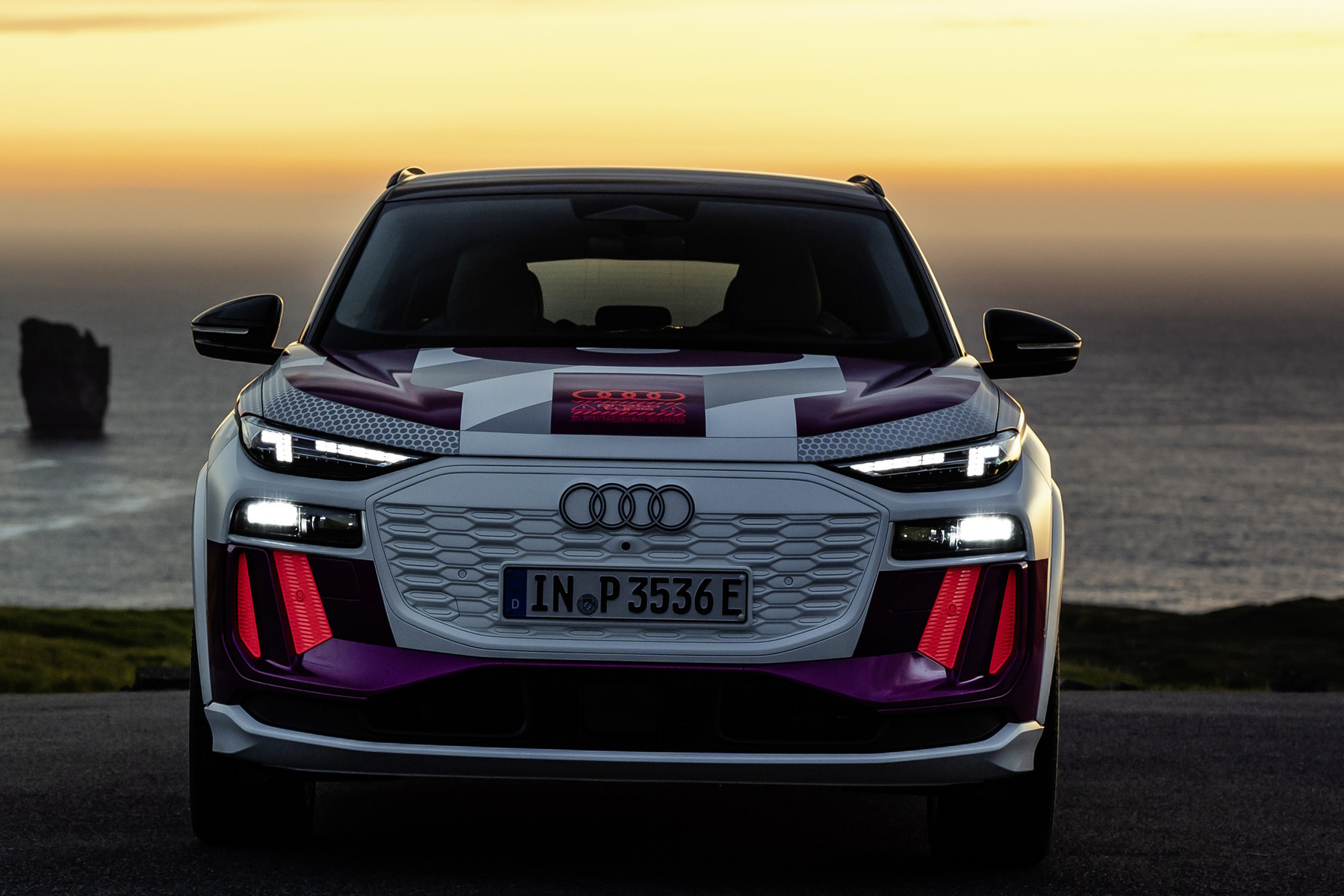
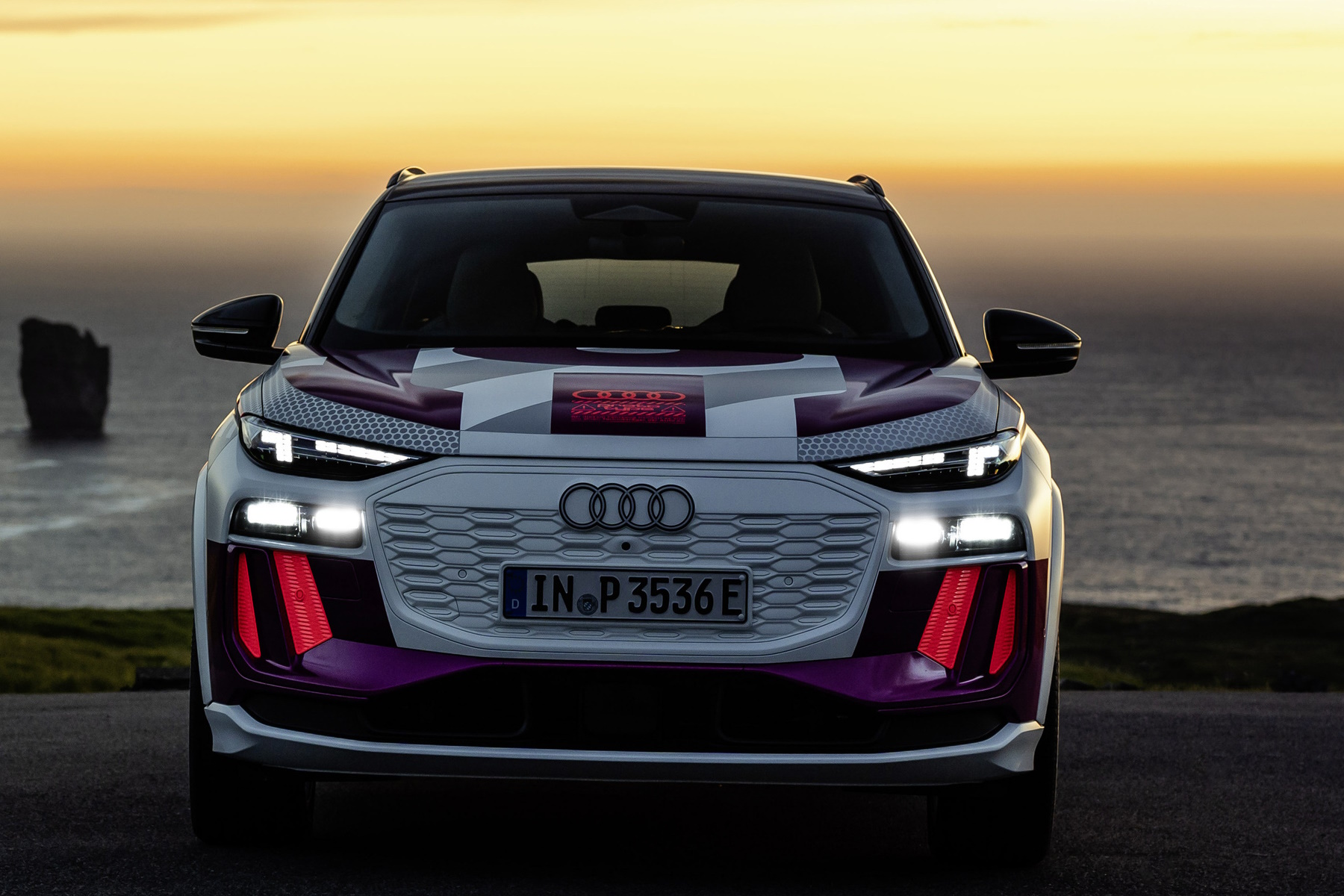
The following Audi e-tron GT demonstration shows laser-assisted high beam, matrix control and curve-light functions on one vehicle. It is a product example, not proof that every market version contains the same functions.
Return to the series overview: Automotive lighting in electric vehicles.
Sources
- UNECE: UN Regulation No. 48 — installation of lighting and light-signalling devices
- UNECE: UN Regulation No. 149 — road-illumination devices
- IIHS: headlight performance, testing and crash research
- NHTSA: 2022 adaptive-driving-beam final rule
- Transport Canada: using vehicle lights to see and be seen
- UK Department for Transport: daytime running lights
- BMW Group: BMW i8 laser-light source conversion and headlamp functions
- Mercedes-Benz: Digital Light optics and projection functions
- HELLA technical guidance on condensation in vehicle lamps