
EV Security Systems
EV security is a chain of controls that identifies an authorized user, prevents unauthorized driving, detects interference, preserves evidence and keeps software trustworthy. The chain is only as useful as its weakest recoverable link.
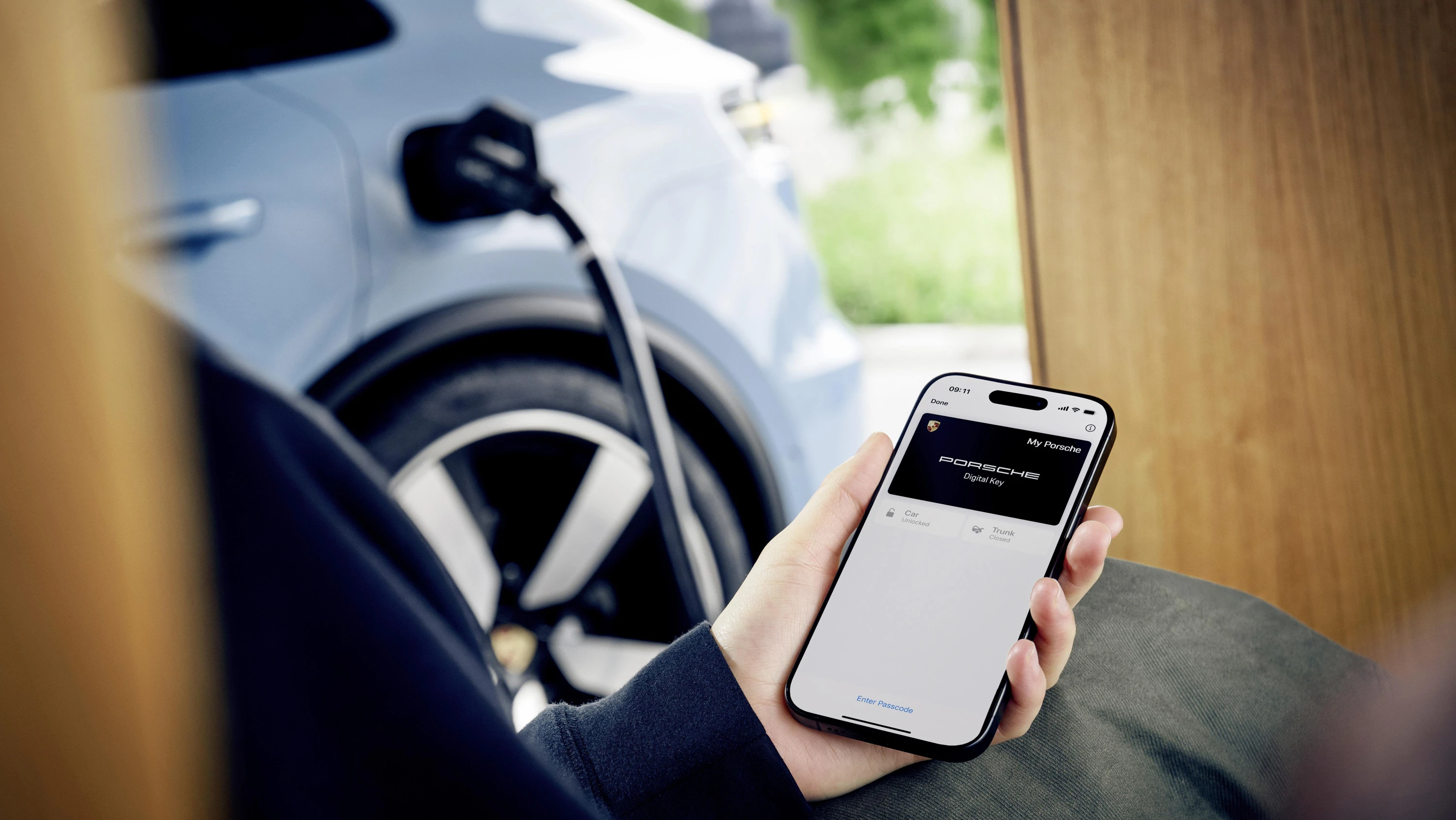
Security is a layered system
No single feature can protect a vehicle from every threat. Modern EV security has six related layers:
- Access control decides who may unlock doors, open storage areas or use the charge port.
- Drive authorization uses an immobilizer, digital credential and sometimes a PIN to prevent normal propulsion.
- Detection and deterrence use perimeter, cabin, tilt and tamper sensors, a siren and visible warnings.
- Evidence and recovery use dashcams, parked-camera modes, event logs and location services.
- Cybersecurity protects controllers, networks, apps, cloud services, diagnostic access, charging interfaces and software updates.
- Ownership controls govern shared drivers, lost devices, service access, resale and deletion of personal data.
Locks, alarms, immobilizers and trackers solve different problems. A siren can draw attention without stopping the vehicle from being driven. An immobilizer can stop normal propulsion without preventing a broken window. A tracker may help after theft but cannot guarantee recovery.
UN vehicle regulations reflect these distinctions: Regulation No. 162 covers immobilizers, Regulation No. 163 covers vehicle alarm systems, Regulation No. 155 addresses vehicle cybersecurity management, and Regulation No. 156 covers software update management. Applicability depends on vehicle category, market and type-approval rules. UNECE vehicle regulations for immobilizers and alarm systems UNECE: UN Regulation No. 155 on vehicle cybersecurity UNECE: UN Regulation No. 156 on software updates
The main attack paths
Security design starts with the action an attacker wants to perform.
Unauthorized entry can involve a stolen key, forced lock, broken glass, relayed passive-key signal or compromised app account. Entry does not necessarily authorize driving.
Drive-away theft can involve a genuine or relayed credential, unauthorized key enrollment, diagnostic access, account takeover or defeat of an aftermarket system. Towing bypasses normal drive authorization entirely.
Theft from the vehicle targets property, wheels, charging cables or electronic modules. An immobilizer does little here; secure parking, locking hardware, alarms and evidence are more relevant.
Digital compromise can target the owner account, app, cloud service, infotainment, wireless interface, diagnostic path, update system or charging ecosystem. A well-designed architecture limits how far a compromise can spread.
Privacy loss can expose location history, contacts, camera footage, driver identities or shared credentials. This risk is especially easy to overlook during rental, service and resale.
The security question is therefore not “Does this EV have an alarm?” It is “Which attack paths are covered, which systems share trust, and how does the owner recover when a key, phone, account or service fails?”
Vehicle access
Vehicle access basics explains mechanical keys, button-operated remote fobs and passive keyless entry. It separates unlocking from drive authorization and explains relay theft, emergency entry and the controls an owner can verify.
Digital key technology covers smartphone and smartwatch keys. NFC can support deliberate tap-to-access, Bluetooth Low Energy can provide discovery and communication, and ultra-wideband can add secure distance measurement for passive entry. The chapter also covers provisioning, sharing, expiry, revocation and lost-device recovery. The Car Connectivity Consortium maintains the principal cross-industry digital-key specification and certification program. Car Connectivity Consortium Digital Key
Alarms and camera evidence
Alarm systems and intrusion detection describes perimeter switches, cabin movement sensing, tilt detection, sirens and connected alerts. It also explains why false-alarm management and a safe way to disable interior sensing matter for ferries, towing, pets or an occupied vehicle.
Parked-camera surveillance covers parked-camera systems such as Tesla's Sentry Mode and BMW's Anti-Theft Recorder. These systems can connect detection with video evidence, but their coverage, trigger logic, storage, power use and legal availability vary.
Dashcams in EVs separates driving recorders from parked surveillance. It explains event buffers, manual saves, collision triggers, multi-camera integration, storage endurance and the limits of footage as evidence.
Camera capability is also a data-protection responsibility. The European Data Protection Board recommends privacy by design and local processing where practical, while video-surveillance guidance stresses purpose, retention, access control and the rights of recorded people. Exact legal duties depend on country and whether the recording is personal, commercial or employment-related. EDPB guidelines for personal data in connected vehicles EDPB guidelines for processing personal data through video devices
Cybersecurity and updates
Cybersecurity and software integrity follows the full digital boundary: in-vehicle networks, telematics, apps, owner accounts, cloud services, diagnostics, over-the-air updates and EV charging. It explains secure boot, signed software, network separation, least privilege, monitoring and incident response.
NHTSA's current best-practice guidance treats vehicles as cyber-physical systems and recommends layered protections across the product lifecycle. Compliance with a process standard or regulation improves discipline but does not prove that a particular vehicle is immune to compromise. NHTSA: Cybersecurity Best Practices for the Safety of Modern Vehicles
Theft prevention and recovery
Theft prevention and recovery turns the technology into an owner plan. It combines credential protection, an immobilizer or drive PIN, visible physical barriers, alarms, cameras and independent recovery options. It also covers the steps after theft and the often-missed job of revoking keys, drivers and accounts when a vehicle changes hands.
NHTSA groups anti-theft measures into visible or audible deterrents, immobilizing devices and recovery systems. Using controls from more than one group reduces dependence on a single failure mode. NHTSA vehicle theft prevention guidance
What buyers should check
Security equipment varies by market, trim, software version, subscription and phone compatibility. Before buying, confirm:
- every supplied fob, card, phone key and mechanical emergency key;
- whether passive entry can be disabled and whether secure ranging is used;
- how new keys and drivers are enrolled, limited, audited and revoked;
- whether a drive PIN, alarm, cabin sensor, tilt sensor and theft alert are available;
- camera coverage, recording triggers, storage, export and parked energy use;
- multi-factor authentication and session management for the owner account;
- the manufacturer's security-update and connected-service support policy;
- how personal data and credentials are erased before resale; and
- what remains functional without cellular coverage, a subscription or the primary phone.
Test the controls rather than relying on a feature name. Lock the car and check each opening, verify that the app reports the correct users, confirm recording storage is healthy, and learn the lost-key and lost-phone procedures before they are needed.
Responding to an incident
For a suspected account compromise, use a trusted device to change the manufacturer-account and recovery-email passwords, enable multi-factor authentication and revoke unfamiliar drivers, sessions and keys. Contact the manufacturer through an official channel.
For physical intrusion or theft, contact police and the insurer, preserve alerts and recordings, and share tracking information with police rather than attempting personal recovery. Do not bypass interlocks, open high-voltage equipment or install unsupported devices into safety-related circuits.
Security is maintained over time. Review access after service, a phone replacement, lending the vehicle, a household change, a suspicious alert and every ownership transfer.
Sources
- UNECE vehicle regulations for immobilizers and alarm systems
- UNECE: UN Regulation No. 155 on vehicle cybersecurity
- UNECE: UN Regulation No. 156 on software updates
- Car Connectivity Consortium Digital Key
- NHTSA: Cybersecurity Best Practices for the Safety of Modern Vehicles
- NHTSA vehicle theft prevention guidance
- EDPB guidelines for personal data in connected vehicles
- EDPB guidelines for processing personal data through video devices